
-
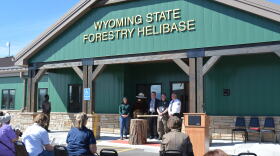 The helibase is the result of increased funding for firefighting resources in 2024. It will house two helicopters and up to 12 employees.
 -
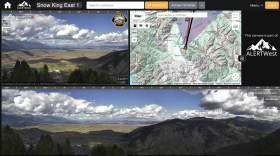 Two wildfire detection cameras installed near Jackson Hole hope to shorten response times and improve evacuations by using artificial intelligence technology.
 -
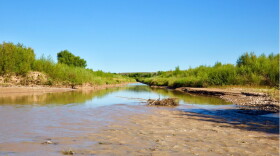 Reservoirs across the West are slowly losing space to store water as dirt, sand and other sediment pile up behind dams, according to new, sweeping, nationwide research.
 -
 Much of the West sweltered through record-breaking heat this summer, as a strengthening El Niño, unusually warm oceans and ongoing human-caused climate change combined to push temperatures to historic levels.
 -
 Deaths and close calls while fighting wildfires have strained an already on-edge workforce. They've also raised questions about policies and priorities amid an intense wildfire season.
 -
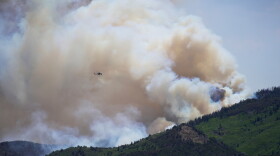 In 2025, roughly 4.5% of Utah homeowners policies — or nearly 1 in 20 — were not renewed by insurance providers. That’s the highest rate in the country, and 1.5% higher than the number two state California.
 -
 Small businesses in the West were hit hard, especially those that mitigate and suppress wildfires on the ground.
 -
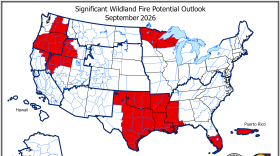 The National Interagency Fire Center predicts normal fire potential for September and above average precipitation in Wyoming.
 -
 The faster a fire burns, the more severe its ecological impacts. That's one of the findings of a new paper in the journal Science Advances. Climate change only promises to further accelerate those fires, according to its lead author.
 -
 Blame wildfires and hail — made more destructive by climate change — for the deteriorating insurance situation in the West. Add in hurricanes and other disasters elsewhere, and it’s a nationwide trend — one that a new report from the advocacy group the Insurance Fairness Project says is threatening home sales.

© 2026 Wyoming Public Media
800-729-5897 | 307-766-4240
Wyoming Public Media is a service of the University of Wyoming
800-729-5897 | 307-766-4240
Wyoming Public Media is a service of the University of Wyoming

Play Live Radio
Next Up:
0:00
0:00
Available On Air Stations


